
 By Logan Ava
High arches, also known as cavus foot, present a unique set of challenges for foot health and comfort. People with high arches tend to place excessive pressure on the balls and heels of their feet, which can lead to pain, instability, and increased risk of injury. The natural cushioning of the foot is reduced, making proper support essential. Traditional shoes often rely on thick soles and arch support inserts to compensate, but barefoot shoes offer a different approach.
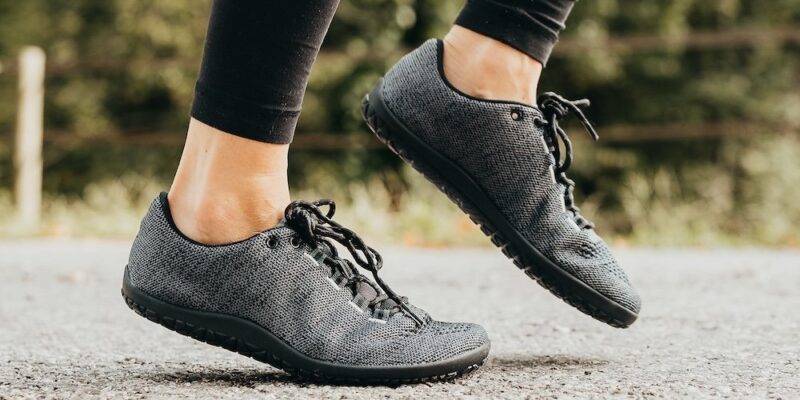
Barefoot shoes for high arches are designed to mimic the natural shape and movement of the foot, allowing the arch to function as it was intended. Instead of forcing the foot into a rigid structure, barefoot shoes encourage natural biomechanics, promoting strength and flexibility. This approach can be especially beneficial for those with high arches who want to maintain foot health while avoiding the bulk and constraints of conventional footwear.
Wearing barefoot shoes for high arches does not mean sacrificing support; rather, it means embracing a form of support that works in harmony with the foot’s anatomy. By allowing the arch to engage naturally, barefoot shoes help distribute weight evenly, reduce pressure points, and improve balance. This can lead to fewer injuries and greater comfort throughout the day.
Choosing the Right Barefoot Shoes for High Arches
Selecting the appropriate barefoot shoes for high arches requires attention to specific design features that accommodate the foot’s unique shape. Unlike flat feet, high arches benefit from shoes that offer flexibility, adequate toe space, and a sole that provides ground feedback without excessive cushioning.
The sole of barefoot shoes should be thin yet durable, allowing the foot to sense the terrain and adjust accordingly. This sensory input helps strengthen the intrinsic muscles of the foot, which support the arch and improve stability. For those with high arches, strengthening these muscles is vital because it helps compensate for the lack of natural cushioning.
Toe box width is another critical factor. Barefoot shoes for high arches typically have a wide toe box that lets toes spread naturally, improving balance and reducing the risk of deformities like bunions. Narrow shoes can exacerbate foot pain and instability in individuals with high arches, so opting for shoes that respect natural toe alignment is essential.
Materials also play a role. Breathable and flexible fabrics promote comfort and allow for natural foot movement. Lightweight construction minimizes fatigue, which is particularly important for those with high arches, as their feet may tire faster under pressure.
Benefits and Challenges of Using Barefoot Shoes for High Arches
Transitioning to barefoot shoes for high arches brings several benefits but also some challenges that users should be aware of. The primary advantage is the enhancement of foot strength and function. Barefoot shoes encourage natural walking and running mechanics, which can reduce the risk of injuries often associated with high arches, such as plantar fasciitis or stress fractures.
Another benefit is improved posture and alignment. Because barefoot shoes promote a more natural gait, they help align the ankles, knees, and hips, reducing strain on joints. This holistic improvement can have a positive effect on overall body mechanics and reduce chronic pain linked to poor foot support.
However, the transition requires patience and care. Suddenly switching to barefoot shoes without a gradual adjustment period can lead to soreness or injury, as the foot muscles need time to adapt. People with high arches should start by wearing barefoot shoes for short periods and slowly increase usage to build strength.
Additionally, barefoot shoes may not provide enough cushioning for certain activities or terrains. In such cases, combining barefoot shoes with strengthening exercises and occasional use of traditional supportive footwear can create a balanced approach to foot health.
Tips for Maintaining Foot Health When Using Barefoot Shoes for High Arches
To get the most from barefoot shoes for high arches, it’s important to support the transition with proper foot care and exercises. Strengthening the foot muscles through targeted exercises can complement the natural support offered by barefoot shoes. Activities like toe curls, arch lifts, and balance exercises improve muscle tone and flexibility.
Regular foot massages and stretching can alleviate tension and improve circulation, making it easier to adapt to barefoot shoes. Paying attention to any discomfort or pain and addressing it early prevents long-term issues.
Choosing the right barefoot shoes involves trying different brands and styles to find the best fit. Since the needs of those with high arches vary, what works well for one person may not suit another. Consulting with a podiatrist or footwear specialist can provide personalized guidance.
Ultimately, barefoot shoes for high arches represent a shift toward embracing natural foot mechanics. With thoughtful selection and gradual adaptation, they can offer comfort, support, and improved foot health in a way that traditional shoes may not.