 By Logan Ava
Are you passionate about beauty, creativity, and making others feel confident and empowered? If so, pursuing a career in cosmetology could be your gateway to a vibrant and fulfilling future. A cosmetology school offers the training, exposure, and support needed to transform your passion into a professional path. Whether you dream of becoming a hairstylist, makeup artist, esthetician, or nail technician, this guide will help you navigate the world of cosmetology education, giving you a comprehensive overview of what to expect and how to get started.
Glimpsing the Eclectic World of Cosmetology: What Awaits You
The world of cosmetology is as colorful and diverse as the people who enter it. It blends artistic expression with scientific precision, empowering professionals to enhance natural beauty while ensuring the safety and well-being of their clients. When students begin their training, they quickly discover that cosmetology is more than just hair and makeup—it’s an intricate discipline that involves understanding human anatomy, skin biology, color theory, and chemistry.
In a cosmetology school, students immerse themselves in a broad array of treatments and techniques. From hairstyling and coloring to skin care, manicures, pedicures, and makeup application, every service requires not only hands-on skills but also a solid grasp of underlying principles. For example, learning about the layers of the skin helps estheticians perform safe and effective facials, while knowledge of product chemistry ensures that hairstylists choose the best treatments for their clients’ hair types. The experience often becomes a transformative journey that deepens students’ appreciation for the science of beauty and fuels their passion for artistic expression.
Cosmetology’s Diverse Specializations Unveiled
The field of cosmetology offers a multitude of career paths, each catering to different interests and talents. One of the most exciting aspects of attending a cosmetology school is the opportunity to explore various specializations before choosing a specific focus. This exposure is critical, as it allows students to discover their strengths and preferences in a supportive learning environment.
Hairdressing, for instance, involves mastering the art of cutting, coloring, and styling hair. It demands creativity, precision, and an understanding of how to work with different textures and lengths. Esthetics focuses on skin care treatments such as facials, chemical peels, and microdermabrasion, requiring a keen eye for detail and a strong grasp of skin biology.
Nail technology is another rewarding avenue, emphasizing both the aesthetic and hygienic aspects of hand and foot care. Students learn how to deliver beautiful manicures and pedicures while also exploring nail enhancements and modern nail art techniques. Meanwhile, makeup artistry spans everything from everyday looks to complex theatrical and special effects makeup. It demands a high level of artistry and an ability to understand facial structure, lighting, and skin tones.
Each of these paths requires unique training, and choosing the right one can shape the entire trajectory of a cosmetology career. That’s why it’s so important for students to dive into different areas during their education, allowing them to build a strong foundation and determine where their true interests lie.
A Day in the Life of a Cosmetology Student
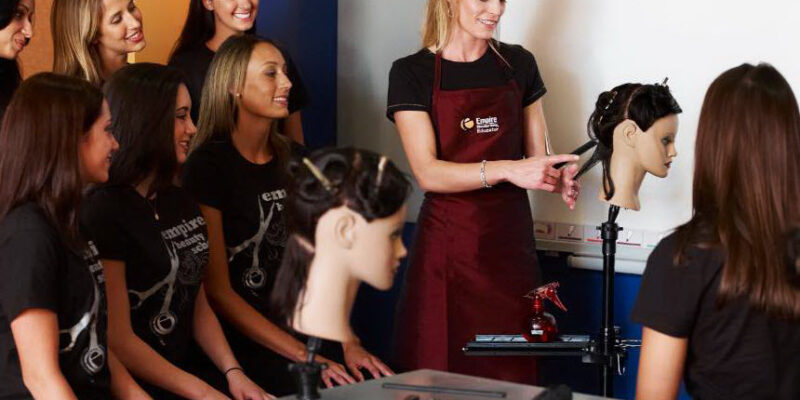
Life in a cosmetology school is both rigorous and inspiring. Students often begin their day in hands-on labs, where they practice core techniques under the supervision of experienced instructors. These sessions allow them to build confidence and competence in real-world settings. They might work on mannequins or even classmates, refining their approach to haircuts, color application, facials, and more.
The hands-on portion of the day is usually followed by classroom instruction, where theoretical concepts are explored in depth. Topics such as sanitation and safety protocols, customer consultation techniques, and ingredient analysis play a crucial role in shaping well-rounded professionals. Understanding these subjects is essential not only for passing licensure exams but also for delivering top-tier service in the workplace.
Collaboration is a key element of the learning experience. Students often work on group projects, participate in demonstrations, and engage in peer critiques. This community-based approach fosters camaraderie, sharpens communication skills, and helps students build networks that may serve them well after graduation. As they progress through the curriculum, students develop a blend of technical abilities and soft skills—such as time management, active listening, and customer service—that are vital for long-term success in the beauty industry.
Cultivating Skills and Expertise: Curriculum Demystified
The curriculum in a high-quality cosmetology program is carefully structured to ensure that students graduate with a complete toolkit of professional competencies. Each course is designed to build progressively, guiding students from fundamental techniques to advanced applications.
Hair-focused training includes everything from basic trims and blowouts to complex coloring techniques and textured styling. Students learn to adapt their methods to different hair types, lengths, and conditions, preparing them to serve a diverse clientele.
Esthetics coursework delves into skin types, conditions, and treatments. Learners study the anatomy of the face, how to perform extractions safely, and the latest innovations in skincare, such as LED therapy and organic treatments. The makeup portion of the program teaches both foundational and avant-garde techniques, including bridal looks, editorial makeup, and special effects.
Meanwhile, nail training encompasses both classic manicures and cutting-edge techniques such as acrylic overlays, gel polish applications, and intricate nail art designs. In each specialization, students are introduced to contemporary trends and emerging products that keep their skills relevant in a fast-changing industry. This balanced blend of theory and practice helps students become adaptable professionals who can meet the diverse needs of today’s beauty consumers.
Networking and Opportunity Seeking
One of the most valuable aspects of attending a reputable cosmetology school is the access to networking opportunities. Many programs build strong connections with local salons, spas, beauty brands, and industry professionals, creating a pipeline between education and employment.
Students are often invited to attend beauty expos, workshops, and special events, where they can observe live demonstrations, try out new products, and meet leading figures in the industry. These events can serve as powerful springboards for internships, mentorships, and even job offers.
Some schools also offer structured mentoring programs, pairing students with experienced instructors or alumni who provide personalized guidance. These mentors share practical advice, offer encouragement, and help students navigate challenges both in school and in their early careers. Building these relationships can be instrumental in launching a successful and sustainable career in beauty.
Remaining Ahead of Ever-Evolving Trends and Breakthroughs
The beauty industry is dynamic and ever-changing. New techniques, tools, and styles are constantly emerging, and staying up to date is critical for long-term success. Recognizing this, many schools incorporate trend forecasting and innovation studies into their curriculum.
Students learn how to research market trends, predict client preferences, and evaluate the effectiveness of new products and technologies. This may include understanding seasonal color palettes, exploring the latest in sustainable beauty, or mastering advanced tools for skincare and hair treatments.
Practical application of trend research ensures students aren’t just following what’s current—they’re anticipating what’s next. This forward-thinking mindset is a competitive advantage, making graduates more desirable to employers and clients alike. Professionals who can adapt quickly, innovate their services, and maintain a fresh perspective are the ones who thrive in the ever-evolving beauty world.
Key Factors When Choosing the Perfect Cosmetology School
Selecting the right cosmetology school is a foundational decision that can significantly influence a student’s educational experience and career success. Prospective students should carefully research each program’s strengths, including faculty expertise, curriculum depth, and graduate outcomes.
Instructor credentials and teaching style can have a major impact on a student’s learning. Schools that offer personalized attention and small class sizes often provide a more supportive and enriching environment. It’s also wise to assess the school’s facilities. Clean, modern, and well-equipped labs and classrooms reflect the institution’s commitment to excellence.
Prospective students should explore success stories from alumni, looking at employment rates, career trajectories, and testimonials. Visiting the campus—either in person or virtually—offers valuable insight into the school’s atmosphere and culture, helping students determine whether the environment aligns with their goals and learning style.
Understanding Accreditation and Its Value
Accreditation is an essential consideration when choosing a cosmetology school. Accredited programs meet rigorous standards set by national and state authorities, ensuring that the education provided is recognized and respected across the industry.
Graduating from an accredited institution is typically a prerequisite for taking licensure exams, which are required to work legally in most states. Accreditation also increases the likelihood of gaining employment, as many salons and spas prefer to hire graduates from well-vetted programs. Additionally, financial aid and scholarship opportunities are more readily available to students attending accredited schools, making quality education more accessible and affordable.
Cost vs. Value: Making an Informed Financial Decision
While tuition is a critical factor, it’s important to view the cost of a cosmetology education as an investment in your future. Program prices can vary widely depending on the school’s location, reputation, and curriculum, but cheaper isn’t always better.
Beyond tuition, students must account for the cost of books, tools, uniforms, and other materials. Some schools may seem expensive up front but offer tremendous long-term value through job placement assistance, advanced training, and a strong alumni network.
Students should explore all financial aid options, including grants, scholarships, and payment plans, to make the investment more manageable. Ultimately, choosing a school that provides thorough training and strong post-graduate support can lead to better job prospects and higher earning potential, justifying the initial expense.
Launching a Career: From the Final Exam to Employment
As graduation approaches, the focus shifts from education to employment. One of the most powerful tools a student can develop is a standout portfolio that showcases their talent and versatility. A professional portfolio includes photos of haircuts, nail designs, makeup applications, and skincare results—often highlighting before-and-after transformations. It can also feature testimonials from instructors, clients, and peers who can speak to the graduate’s skills and professionalism.
Graduates often find their first job through salons where they interned, career fairs hosted by the school, or through connections made during networking events. While starting out in an entry-level position may seem modest, these roles offer valuable hands-on experience and the opportunity to build a loyal clientele.
Some new cosmetologists branch into freelance work, join spas or wellness centers, or even pursue roles in fashion and entertainment. Each path requires persistence, professionalism, and ongoing development, but the variety of options ensures that every graduate can find a niche that fits their aspirations.
Continuing Learning: Staying Relevant in an Ever-Evolving Industry
Graduating from a cosmetology school marks the beginning of a lifelong journey of learning. Professionals must stay current to remain competitive, which means pursuing continuing education through certifications, advanced courses, and industry conferences.
Specializing in new areas—such as lash extensions, advanced coloring, or holistic skincare—can open up exciting career opportunities. Many beauty professionals also join industry organizations that offer access to resources, workshops, and mentorships that keep their passion alive and their skills sharp.
In an industry that thrives on innovation and creativity, ongoing education is not just an option—it’s a necessity. Those who commit to growth, adaptability, and excellence are the ones who will rise to the top and enjoy long, successful careers in the beauty world.