 By Logan Ava
Loose or less firm skin can develop gradually because of ageing, changes in collagen, sun exposure or weight fluctuation. Someone researching skin tightening in Bangkok should first understand how much laxity is present and whether a non-surgical treatment is likely to produce enough improvement for their expectations.
Not All Sagging Is The Same
Skin laxity can affect the face, jawline, neck or body in different ways. In some people, the main issue is mild loss of firmness. In others, there may also be changes in fat distribution, facial volume or deeper supporting tissues.
These differences influence which treatment is likely to help. A procedure that stimulates collagen may improve mild laxity but cannot necessarily reproduce the degree of tightening achieved through surgery in someone with significant loose skin.
This is why assessment matters. The practitioner should identify whether the main concern is skin quality, volume loss, fat or structural descent rather than treating every ageing concern as the same problem.
A combination of treatments may sometimes make more sense than trying to force one procedure to address several different issues.
Energy-Based Treatments Work In Different Ways
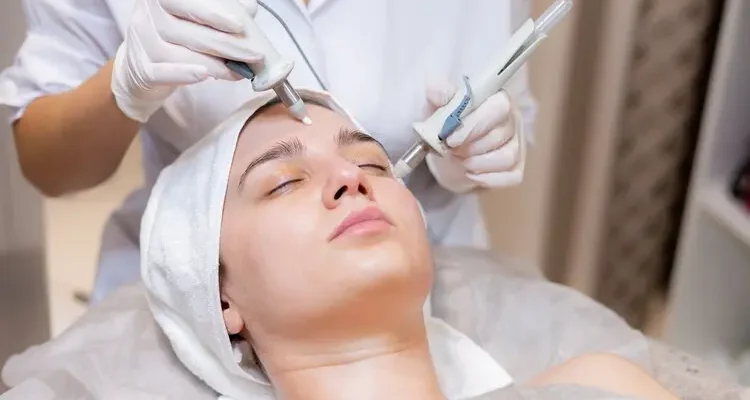
Non-surgical tightening treatments may use technologies such as ultrasound, radiofrequency or other forms of controlled energy. These treatments are designed to affect tissue at particular depths and encourage changes over time.
The experience, downtime and expected result can vary depending on the technology used. Some treatments may involve little visible recovery, while others can cause temporary redness, swelling or tenderness.
Patients should ask what device is being recommended, how it works and why it suits the area being treated.
It is also worth asking who will perform the procedure and how treatment settings are selected. Energy devices still require appropriate training and judgement even when they do not involve surgery.
Results Are Usually Gradual
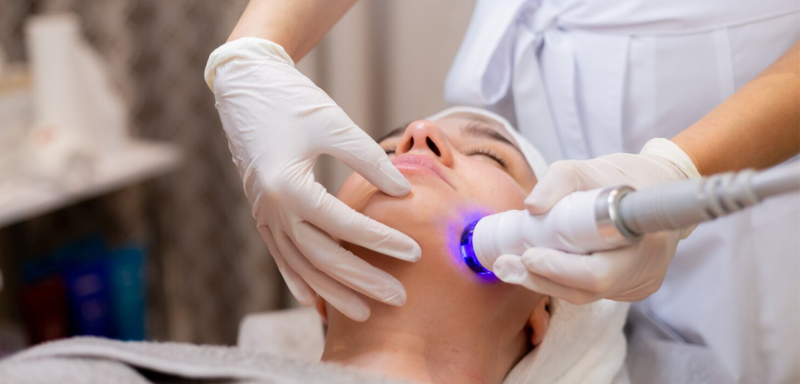
Many non-surgical tightening procedures rely partly on the body’s own response, which means the result may develop over weeks or months rather than appearing immediately.
This is important for expectation setting. A patient may notice subtle changes before the final outcome becomes clearer, and some treatment plans involve more than one session.
Before-and-after photographs should be interpreted carefully. Lighting, facial expression and head position can make small changes appear larger than they are. Consistent photography gives a more realistic comparison.
Patients should also understand how long the expected effect may last and whether maintenance treatments are commonly considered later.
Know When Surgery May Be More Appropriate
Non-surgical treatment can be useful for people seeking modest improvement without an operation, but there are limits to what it can achieve.
Where there is substantial loose skin or significant structural change, surgical treatment may provide a more predictable degree of tightening. A responsible consultation should explain that possibility rather than promising dramatic results from a non-invasive device.
This does not make one option better in every case. The right choice depends on the patient’s goals, tolerance for downtime, medical suitability and willingness to undergo surgery.
Skin tightening works best when the treatment is matched to the severity of the concern. Realistic expectations and a clear understanding of what the chosen technology can and cannot do are more valuable than choosing a procedure based on the strongest marketing claim.