
 By Logan Ava
The traditional boundaries of style have collapsed. For generations, the fashion industry operated within rigid, siloed categories. A consumer maintained distinct wardrobes for different facets of life: formal corporate attire for the office, rugged gear for outdoor excursions, specialized synthetic wear for the gym, and casual garments for domestic relaxation. These style segments rarely intersected, separated by strict societal norms, manufacturing limitations, and specialized retail distribution channels.
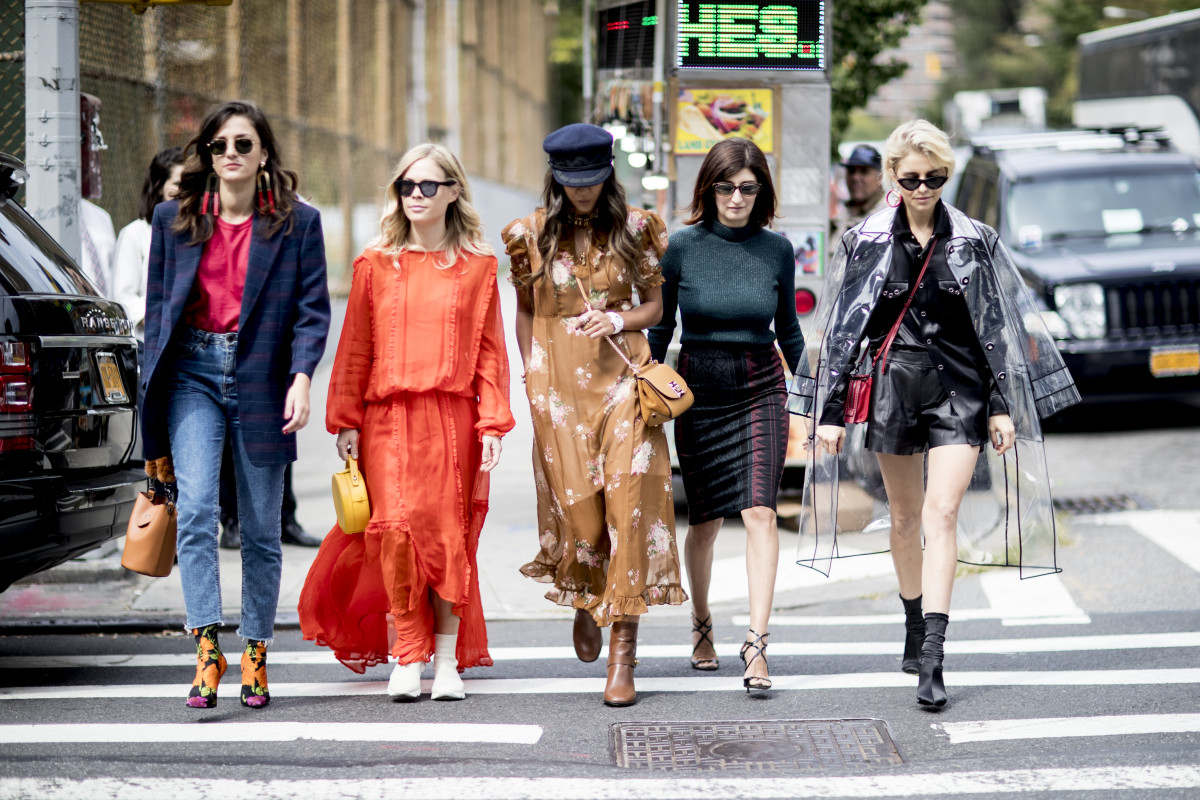
Today, this segmented approach to dressing looks remarkably outdated. The contemporary fashion landscape is dominated by hybrid aesthetics, a design philosophy that intentionally fuses contrasting style genres into single, cohesive garments and outfits. From the ubiquitous rise of gorpcore, which blends high-performance mountaineering gear with urban streetwear, to corporate-casual subversions, hybridity has transitioned from a avant-garde runway experiment into the definitive sartorial standard of the modern era.
The Socioeconomic Catalysts of Blended Dressing
The dominance of hybrid aesthetics is not merely a passing design preference. It is the direct visual manifestation of structural shifts in human labor, lifestyle dynamics, and global economics.
The Collapse of the Professional Boundary
The primary catalyst for this stylistic transformation is the permanence of remote and hybrid work models. When the physical office ceased to be the sole anchor of daily life, the strict corporate dress code lost its social utility. However, the alternative was not a permanent descent into unstructured loungewear.
Instead, consumers demanded a middle ground: garments that offer the physical comfort of knit sweatpants but maintain the tailored structure and professional respectability of a traditional blazer. This economic reality forced designers to rethink garment construction, leading to the creation of unstructured tailored jackets made from performance stretch fabrics, and trousers featuring hidden elasticized waistbands disguised by sharp pleating.
The Demand for Hyper-Functional Versatility
Modern urban environments demand extreme adaptability from the individual. A single day might require commuting via a bicycle or public transit, attending high-level meetings, working from a public coffee shop, running errands in unpredictable weather, and attending a social gathering in the evening.
Maintaining separate wardrobes for each activity is logistically impractical and financially inefficient. Hybrid garments solve this modern dilemma by embedding technical utility directly into lifestyle apparel. A contemporary trench coat is no longer just a fashion statement; it is engineered with breathable, waterproof membranes, magnetic closures, and articulated sleeves that allow for full range of motion during a commute.
The Technological Innovations Powering Textile Fusion
The conceptual desire for hybrid clothing could not exist without massive advancements in textile engineering and material science. Historically, fusing performance wear with luxury fashion was impossible because technical fabrics were stiff, noisy, and visually synthetic, while luxury fabrics like silk and wool were delicate and high-maintenance.
Smart Material Blending and Nano-Coatings
Modern textile mills have mastered the art of creating biomimetic and hybrid yarns. Chemists can now spin natural, premium fibers like merino wool or organic cotton alongside high-performance synthetic polymers like elastane or moisture-wicking recycled polyesters.
This creates textiles that possess the elegant drape, tactile warmth, and visual prestige of luxury fabrics, while inheriting the tensile strength, four-way stretch, and wrinkle resistance of athletic wear. Furthermore, the application of invisible, fluorocarbon-free hydrophobic nano-coatings allows traditional materials like denim and suede to repel water and stains effortlessly, erasing the boundary between delicate luxury and durable outerwear.
Advanced Construction: Sonic Welding and Laser Precision
Traditional garment construction relies on thread and needles, which create thousands of tiny punctures in fabric, introducing structural weak points where water and wind can penetrate. Hybrid fashion borrows manufacturing techniques directly from industrial mountaineering and medical gear.
-
Sonic Welding: Utilizing high-frequency ultrasonic acoustic vibrations, machines bond fabric edges together at a molecular level, creating entirely seamless, flat joints that eliminate chafing and maximize aerodynamic efficiency.
-
Laser-Cut Ventilation: Computer-controlled lasers pierce precise, microscopic ventilation patterns into tailored dress shirts and blazers, allowing for optimal thermoregulation in high-stress environments without compromising the garment’s sharp silhouette.
Decoding the Prevalent Hybrid Sub-Genres
The phenomenon of hybridity has birthed several distinct design sub-movements, each representing a unique intersection of disparate cultural landscapes.
-
Gorpcore (Outdoor Utility Meets Streetwear): Named after the colloquial acronym for trail mix, this aesthetic takes highly technical, specialized outdoor gear, such as alpine hardshell jackets, trail-running shoes, and climbing pants, and repositions them within an urban, creative context. The luxury is derived from the extreme, over-engineered utility of the product.
-
Athleisure and Tailored Sport (Performance Meets Elegance): This movement integrates the structural silhouettes of traditional tailoring with the material ease of athletics. Think pleated trousers built from technical nylon, or sleek knit dresses incorporating performance compression paneling.
-
Workwear-Preppy Fusion (Industrial Ruggedness Meets Collegiate Style): This hybrid aesthetic blends the heavy-duty, durable materials of traditional American blue-collar labor, such as raw canvas, double-knee duck fabric, and heavy denim, with the clean, tailored, academic silhouettes of classic collegiate apparel, creating a rugged yet highly sophisticated everyday look.
The Cultural Shift Toward Anti-Trend Longevity
Beyond utility and technology, hybrid aesthetics thrive because they align perfectly with the modern consumer’s evolving ethical values regarding sustainability and mindful consumption.
The traditional fashion model relied on a constant cycle of trend obsolescence, encouraging consumers to buy hyper-specific items that could only be worn in narrow social contexts. Hybrid garments, by their very nature, reject this limitation. Because a hybrid piece is designed to transcend categories, it possesses inherent versatility.
A high-quality, weather-resistant tailored overcoat can be styled with a formal suit for a winter wedding, or thrown over a fleece hoodie and sneakers for a weekend market trip. This multi-contextual utility allows consumers to buy fewer, higher-quality items, reducing the overall volume of textile consumption and fostering a more sustainable, curated wardrobe built on timeless utility rather than fleeting aesthetic trends.
Frequently Asked Questions
Is gorpcore just a temporary trend, or is it a permanent shift in fashion?
Gorpcore represents a permanent evolution in consumer expectations rather than a temporary trend. While the specific styling choices and viral brands may shift over time, the underlying desire for garments that offer genuine protection against the elements, functional storage via tactical pockets, and extreme physical durability is a structural change. Once consumers experience the comfort and utility of technical outdoor gear in their daily lives, they are highly unlikely to return to restrictive, non-functional clothing.
How do you clean and maintain hybrid garments that mix natural and synthetic performance fabrics?
Hybrid garments require careful maintenance to preserve both the natural fibers and the technical coatings. Always read the care label, but as a general rule, wash these garments inside out in cool water on a gentle cycle using a mild, liquid detergent. Avoid fabric softeners entirely, as they coat the fibers and destroy the moisture-wicking capabilities and waterproof membranes of performance fabrics. Hang drying is preferred, though a brief tumble on low heat can often reactivate certain water-repellent nano-coatings.
Can hybrid aesthetics be worn appropriately in traditional, conservative corporate environments?
Yes, hybrid aesthetics can be integrated into conservative offices, provided you focus on structure and concealment. The key is to look for garments where the technical aspect is invisible. For example, select trousers that feature a hidden elastic waistband and a performance stretch fabric but retain a traditional pressed crease and standard suiting colors like charcoal or navy. Avoid hybrid pieces with exposed technical features like exterior zipper tapes, cargo pockets, or reflective branding.
Why are hybrid fashion items often priced significantly higher than traditional clothing?
The premium price of hybrid fashion reflects the intensive research and development, advanced material science, and specialized construction techniques required to create them. Sourcing hybrid yarns that blend natural and synthetic fibers, applying advanced weatherproofing coatings, and utilizing precise manufacturing methods like sonic welding or laser cutting increases production costs far beyond standard garment assembly.
How do hybrid aesthetics help individuals who travel frequently?
Hybrid clothing is the ultimate solution for frequent travelers because it maximizes suitcase efficiency. Because each hybrid garment is designed to perform across multiple social settings and weather conditions, a traveler can pack significantly fewer items. A single pair of high-performance tailored chinos can handle a long flight, a business dinner, and a casual walking tour of a city, eliminating the need to pack separate athletic, casual, and formal trousers.
Do hybrid garments retain their resale value in the secondhand market?
Yes, high-quality hybrid and technical garments generally retain a much higher resale value than traditional fashion pieces. Brands that specialize in hybrid design and durable utility have cultivated highly dedicated enthusiast communities. Consumers in the secondhand market are willing to pay a premium for used items from these brands because they know the materials are engineered for extreme longevity and will perform reliably for years to come.